
The Local Questions,Vol.4 | Field Notes from Palm Springs
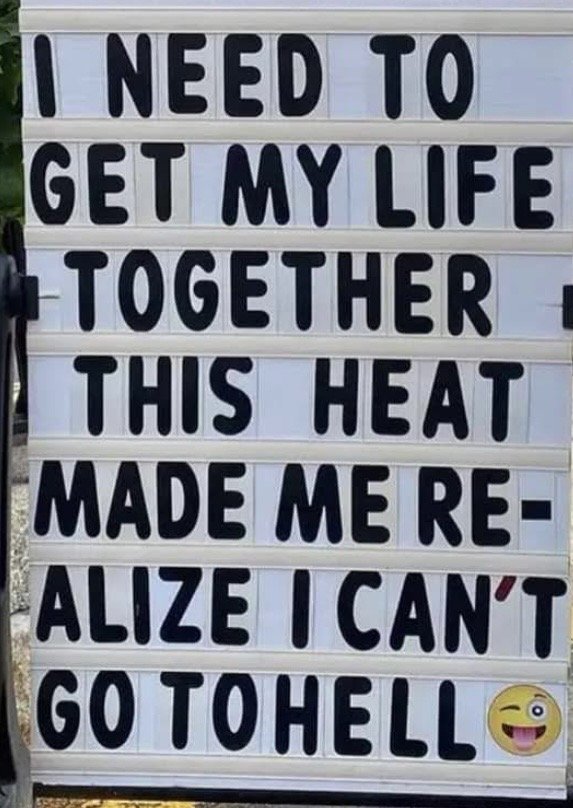
Every Place Has Its Frequently Asked Questions
In New York, it's, "How do people afford to live here?"
In Seattle, it's, "Does it ever stop raining?"
In Palm Springs, the questions get... weirder.
Why is a giant roadrunner strutting through a parking lot like he owns the place? Do I need to worry about stepping on a rattlesnake? Is everybody really retired or just driving a golf cart? And why do the mountains look different every time you glance up?
These aren't the questions you'll find in a guidebook. They're the ones people ask after they've been here long enough to notice that the desert has its own mondo bizarro logic.
So, welcome to Local Questions, a collection of field notes from Palm Springs—a guide to some of the curious, charming, slightly odd questions that seem to follow people around the Coachella Valley.
The answers might explain a few things. They may also leave you with several new questions. Some are practical. Others only deepen the mystery.
What's the Deal With Roadrunners?
If your knowledge of roadrunners comes primarily from Saturday morning cartoons, you probably expect to see one being pursued by an ambitious coyote armed with a box of highly unreliable Acme explosives.
Reality is only slightly less entertaining.
Yes, roadrunners are real. And once you know what you're looking for, they're surprisingly easy to spot. They're everywhere—ambling through neighborhoods, crossing Palm Canyon Drive, patrolling parking lots as though they’re in charge. They seem completely unimpressed by cars, tourists, or the fact that they're technically wild creatures.
Keep your eyes open and you'll almost certainly spot one.
Yes, they run astonishingly fast—up to about 20 miles per hour.
And yes, coyotes occasionally chase them.
The difference is that real coyotes tend to rely less on rocket-powered roller skates and giant slingshots.
Do I Need to Worry About Stepping on a Rattlesnake?
Short answer: not really. But be careful and keep reading anyway.
Longer answer: you should probably pay more attention to the person backing out of a Trader Joe's parking space than the wildlife.
Yes, rattlesnakes live here. Several species, in fact. They are very much part of the Colorado Desert, the California portion of the Sonoran Desert ecosystem. They happily spend their days doing important snake things like controlling rodent populations and avoiding humans whenever possible.
That's the key part: they'd rather not meet you.
Rattlesnakes don't hunt people. They don't chase hikers. They don't lie awake at night plotting ambushes along the Bump and Grind Trail. A rattlesnake sees a six-foot-tall mammal stomping through the desert and generally thinks, "Absolutely not."
Many bites happen because someone tried to pick one up, move it, photograph it from six inches away, or otherwise made a series of decisions that would also have annoyed a bear.
If you're hiking, stay on the trail, watch where you place your feet and hands, and don't step over rocks or logs without looking on the other side. If you hear the unmistakable buzz of a rattle, congratulations—it's giving you exactly the warning nature intended. Stop, locate the snake if you can, give it plenty of room, and let it continue its day.
In town? Your odds get even better. While snakes occasionally wander into neighborhoods, golf courses, or backyards—especially during warmer months—seeing one is still relatively uncommon for most visitors.
The funny thing is that newcomers often spend their first week scanning every bush for rattlesnakes. Ironically, they’re much more likely to photograph a hummingbird than a rattlesnake.
By the second week, they're much more concerned about finding shade, a decent breakfast burrito, and whether they can survive another 114-degree afternoon.
Is Everybody Here Retired, or Just Really Good at Looking Retired?
Spend forty-eight hours in Palm Springs and you'll wonder if there's a minimum age requirement at the city limits.
There isn't. It just feels that way.
Palm Springs has an unusual relationship with getting older. Instead of pretending it doesn't happen, people seem to get on with it.
People in their seventies are hiking the trails before breakfast. People in their eighties are chairing nonprofit boards. People in their nineties are debating where to meet for happy hour (and then going to bed by 7pm).
It's less a retirement community than a community where retirement occasionally forgets to retire.
Spend a little more time here and the picture gets richer. You'll meet young chefs opening ambitious restaurants, artists, healthcare workers, hospitality professionals, remote tech employees who traded traffic for mountain views, families raising kids, and entrepreneurs launching second careers.
As for the golf carts: yes, they're everywhere. Spend a few days here and you'll start wondering why every town doesn't have them.
Why Do the Mountains Change Colors During the Day?
Because the desert is showing off.
The mountains surrounding Palm Springs aren't actually changing color.
The light does.
As the sun moves across the sky, its angle changes. In the morning and late afternoon, sunlight travels through more of the atmosphere, scattering away the shorter blue wavelengths and leaving behind warmer reds, oranges, and golds. At midday, when the sun is high overhead, the light is cooler and more direct, revealing the rugged grays and tans of the rock itself.
Then there are the mountains.
The San Jacintos aren't one solid wall of stone. They're a jumble of granite faces, deep canyons, ridges, shadows, and vegetation. Every angle catches the light differently, so one slope may glow pink while the next remains cool blue.
Throw in a little dust, moisture, or the occasional monsoon cloud, and the whole valley becomes an impressionist painting that quietly repaints itself every hour or so.
Eventually, locals learn not to interrupt every conversation to point it out.
Because there are only so many times you can ask, “Have you seen the mountains?” before friends politely ask you to finish your enchiladas.
Still, almost everyone sneaks one more look before heading inside.
The mountains have a way of convincing you that today's sunset might be better than yesterday's.
And they're often right.
More Desert Questions Coming Soon
The desert often answers one question by asking three more.
Why does happy hour start at 3 pm?
Why do people become oddly passionate about date shakes?
Why are the stoplights so long?
What’s it like to live here?
We'll keep asking.
Because around here, curiosity is just part of the landscape.
Palm Springs makes more sense when you walk it slowly. Join us at Artisan Food Tours on a guided food tour and see what the desert tastes like between questions.
Come hungry. Leave like a local.
Enjoyed this article? The Local Questions are just one part of Devour the Desert. Explore our other "Local…" series for stories about the food, architecture, history, celebrities, and culture that make Palm Springs unlike anywhere else.
Dave Ball is a local guide and co-owner of Artisan Food Tours with his wife, Phyllis. He spends an inordinate amount of time thinking about Palm Springs history, neighborhood architecture, and where to find a great meal.