
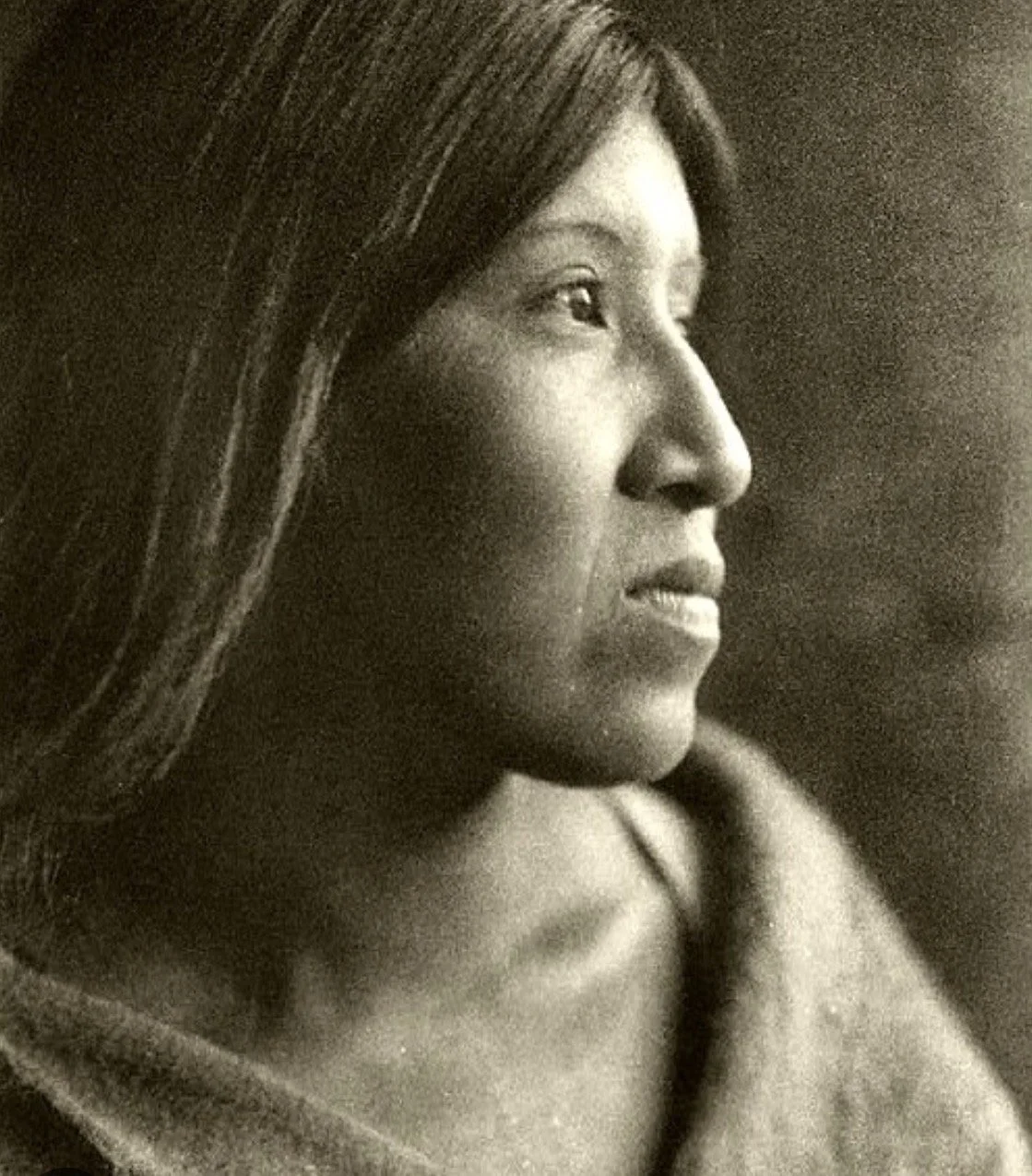
Young Cahuilla Woman. Photograph by Edward S. Curtis
Long before the first resorts appeared, the Coachella Valley was shaped by a resilient community. The Agua Caliente Band of Cahuilla Indians (the commonly accepted term here, used by the tribe) has called this region home since time immemorial. Archaeological research indicates that their ancestors occupied the site of the downtown hot mineral spring more than 8,000 years ago.
As you walk through downtown Palm Springs today, you are travelling on ancestral land that has supported and sustained them across that span of time. That history isn't all stored in a museum. It's woven into the landscape itself.
Let's meet the people who first called this land home.
The Heart of the Oasis: Séc-he
The story of the Agua Caliente people is intimately tied to water. In the desert, water isn't just convenient. It's destiny. Everything else that became Palm Springs arrived later.
Mineral Waters: A natural hot spring filled with healing minerals sits in downtown Palm Springs.
Sacred Springs: The Agua Caliente people called this place Séc-he ("the sound of boiling water"), pronounced "Seck-hee.”
Cultural Anchor: The spring provided drinking and bathing water, warmth during the cold winter nights, and a gathering space for the tribal members. The land surrounding the hot spring was their home for much of the year.
Spanish Contact: Spanish arrivals referred to the hot waters as Agua Caliente, meaning “hot water.” The name would eventually become associated with the people and the place we know today as Palm Springs.
Long before Palm Springs had street names, the Agua Caliente people had stories that explained how this place came to be and the forces that continue to shape it.
Agua Caliente Traditions
Origin Story: While there are multiple versions of the story, one is that the creators Mukat and Temayawet brought the world into being. After creating the mountains, plants, animals, and people, the brothers parted ways, leaving behind stories that continue to guide Cahuilla culture today.
Tahquitz: Towering above downtown Palm Springs is Tahquitz Canyon, named for an important figure in Cahuilla tradition. The tribal account describes Tahquitz as a shaman associated with the canyon and a powerful presence who, according to legend, may appear as a green fireball.
Living Tradition: These stories aren't relics from the distant past. They remain an important part of Agua Caliente cultural identity and are shared today through tribal elders, families, and the Agua Caliente Cultural Museum.
Once you learn these stories, it's difficult to look at the San Jacinto Mountains the same way again. They're no longer just a spectacular backdrop for vacation photos. They're part of a landscape that has carried meaning for thousands of years.
Desert Harvest: Foraging, Hunting and Growing
Survival in the desert required an intimate knowledge of local plants and seasonal cycles.
Mesquite Pods: This vital staple was ground into flour for nutritious cakes.
Agave Hearts: Earth-roasted for days, these provided a sweet, high-energy food source.
Palm Fruit: The Indian Canyons provided fruit from native California Fan Palms.
Hunting Game: Tribal members hunted bighorn sheep, rabbits, and quail in the mountains.
Growing: The canyons provided fresh water streams that the tribe used to irrigate and grow crops such as melons, squash, beans, and corn.
The Canyons: A Natural Sanctuary
When summer heat intensified, the semi-nomadic Agua Caliente people migrated into the nearby cooler canyons in the San Jacinto Mountains, the dramatic backdrop to downtown Palm Springs.
Andreas Canyon: Home to lush vegetation and unique rock formations.
Palm Canyon: One of the world's great natural groves of California fan palms.
Murray Canyon: A quiet sanctuary featuring a mountain-fed stream.
You can still find ancient rock art and stone mortar holes (morteros) used to grind foods such as mesquite pods.
Preserving the Legacy Today
The Agua Caliente Band of Cahuilla Indians, numbering about 500 members today, are a very important part of the Palm Springs community.
The Cultural Plaza: Visit the Downtown hot spring site, home to a world-class spa and museum.
The Museum: The Agua Caliente Cultural Museum shares tribal history, art, and enduring traditions. You can learn about the tribe’s origin story and see fine examples of their basket and pottery making skills
Land Stewardship: The tribe carefully protects and manages the sacred Indian Canyons (but allows visitors to explore the canyons, which offer the largest native palm oasis in the world and wonderful opportunities for hiking and spotting wildlife).
Economic Development: Today the tribe and its members own more than 30,000 acres throughout the Coachella Valley. Much of Palm Springs sits on Indian-owned land that has been ground-leased for homes, hotels, golf courses, and commercial development. The tribe also owns several major businesses, including the Agua Caliente Casinos and the Spa Resort Casino.
Why This Story Matters
One of the unexpected pleasures of living in Palm Springs is realizing that the city's story didn't begin with movie stars, swimming pools, or mid-century architecture.
Those chapters are wonderful, but they’re not the first story.
The Agua Caliente people understood this landscape for thousands of years before anyone thought to market it as a vacation destination, developing an intimate knowledge of its water, plants, wildlife, and seasons.
Once you know that, Palm Springs starts to look different.
The mountains become more than a dramatic backdrop for vacation photos. The palm trees become more than landscaping. And those hot mineral springs downtown become something more than a pleasant place to soak after a long flight.
On an Artisan Food Tours walking tours, we'll visit four remarkable restaurants and shops while exploring the stories that shaped Palm Springs—from the Agua Caliente people who first called this oasis home to the architects, entertainers, and entrepreneurs who followed. Because sometimes the best way to understand Palm Springs isn't through a museum or guidebook.
It's through lunch.
Enjoyed this article? Explore more of our "Local …" series to discover the Palm Springs stories that helped shape the desert's singular character. You'll find collections devoted to food, architecture, celebrities, history, culture and the people who continue to make Palm Springs unlike anywhere else.
Dave Ball is a local tour guide and co-owner of Artisan Food Tours. He spends an inordinate amount of time thinking about Palm Springs history, neighborhood architecture and where to find a great meal. His current food obsession is local Deglet Noor dates with Fix & Fogg Crunchy Peanut Butter. Lately, however, the breakfast bread from Bread and Flours has been making a serious bid for the title. Stay tuned for further developments.